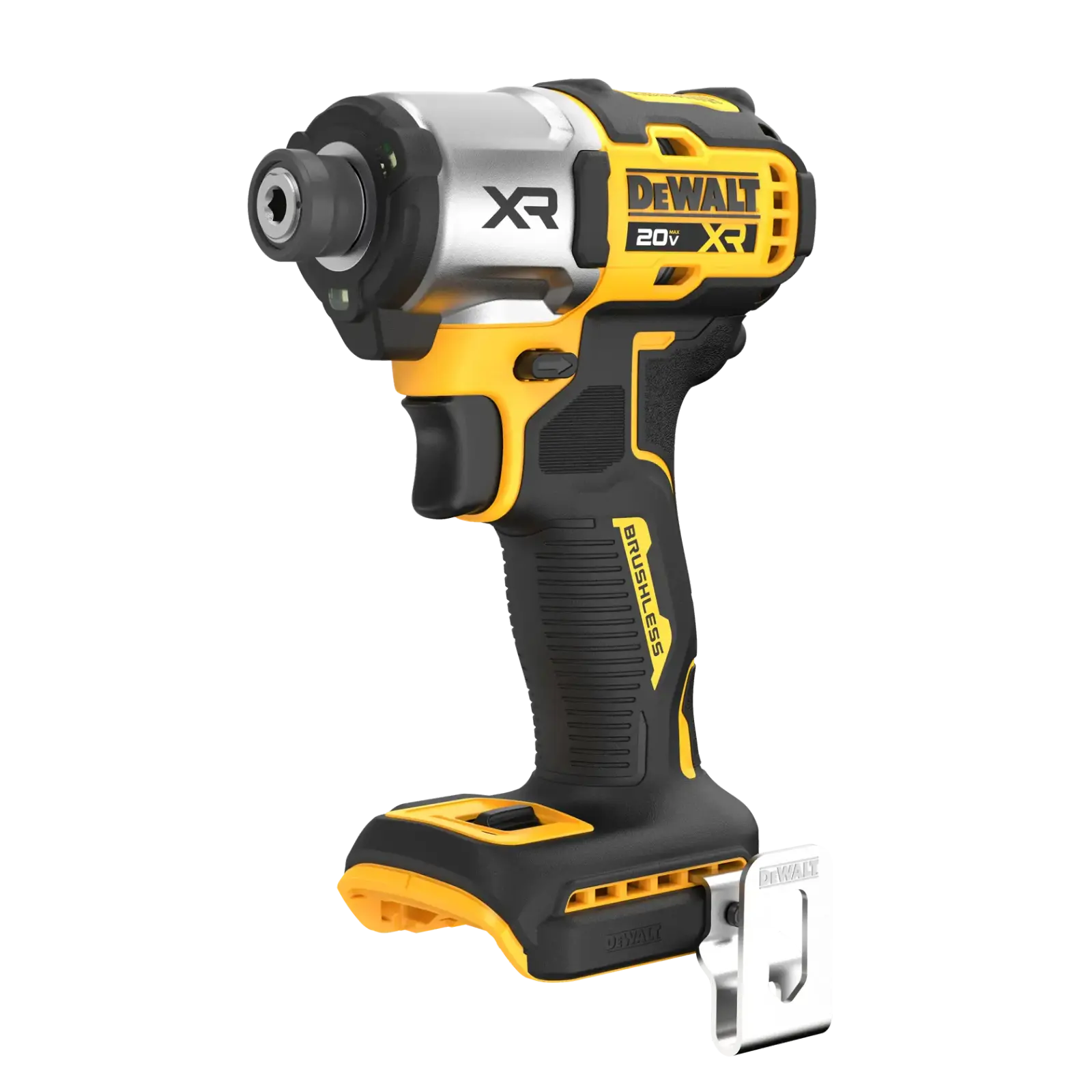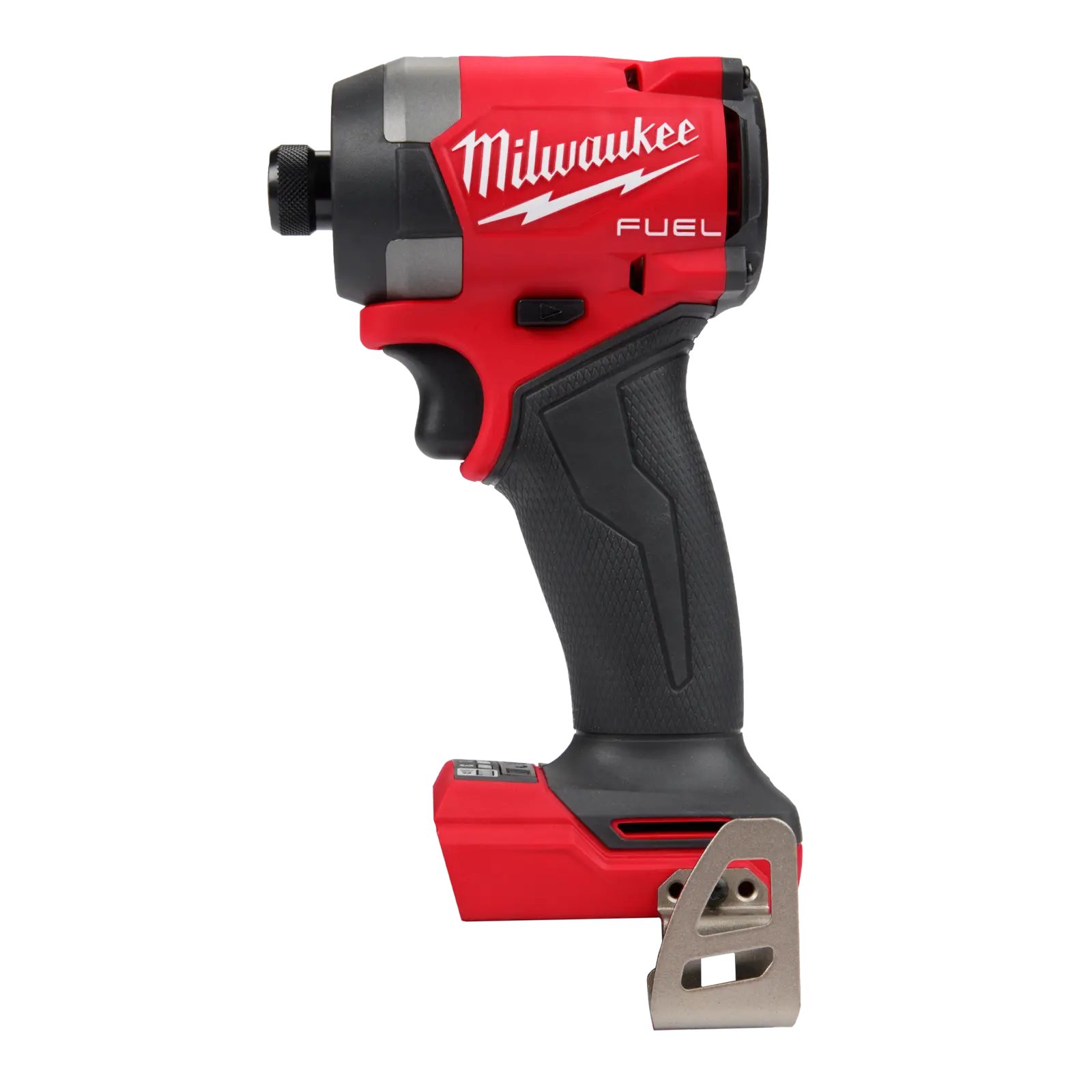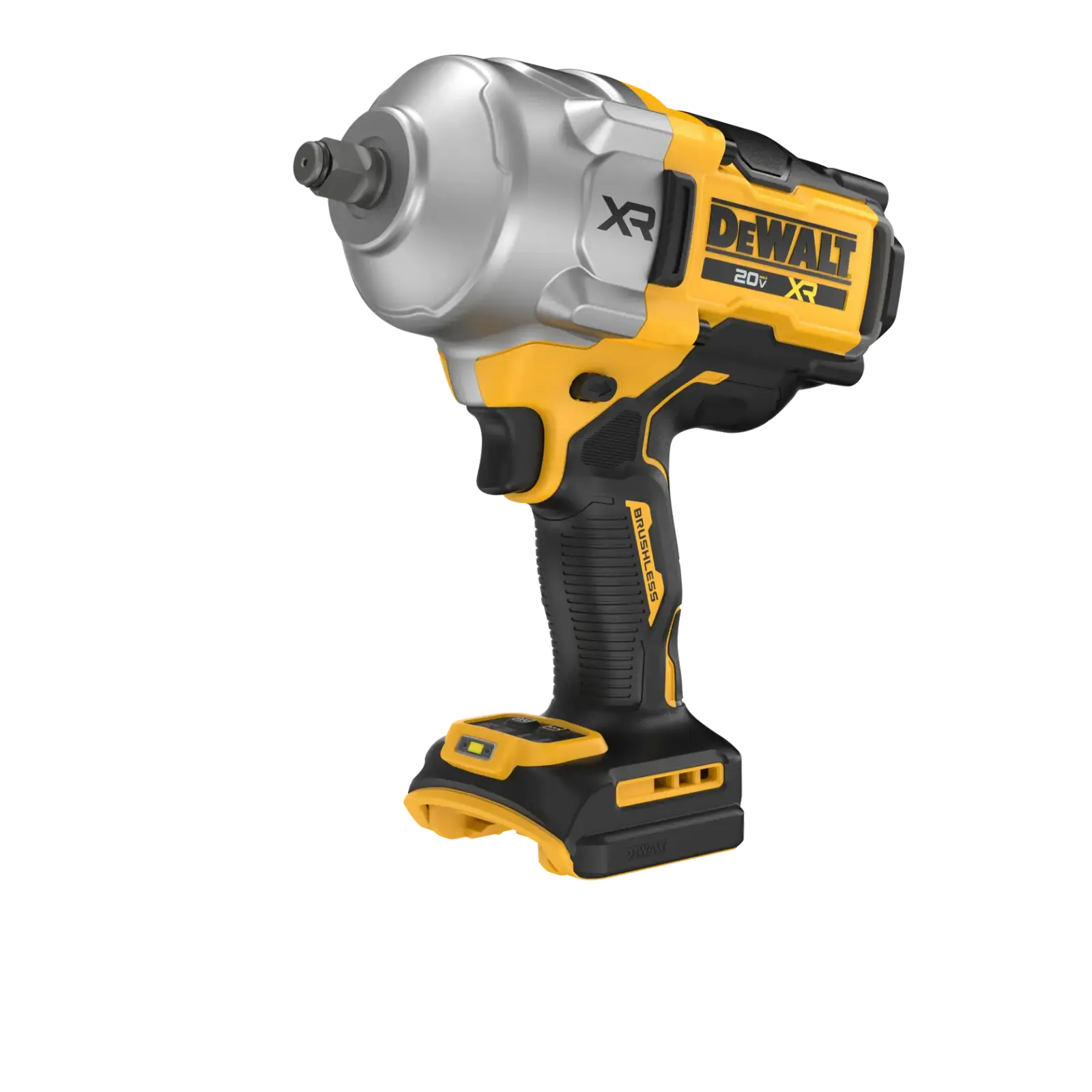
Milwaukee lists its M18 FUEL 2962-20 mid torque wrench at 550 ft-lbs of fastening torque, while DEWALT rates its 20V MAX XR DCF961B at 1,320 ft-lbs. Both are half inch cordless impact wrenches, and the gap between them is the main thing to understand before you buy one.
What is the difference between mid torque and high torque?
Mid torque wrenches are built to be light and quick, and high torque wrenches are built to free stuck fasteners. The ToolNut listing for the Milwaukee 2962-20 gives 550 ft-lbs of fastening torque, 650 ft-lbs of nut-busting torque, 0 to 2,575 RPM and 0 to 3,100 IPM, in a tool that is 6 in long and weighs 3.9 lb without a battery.
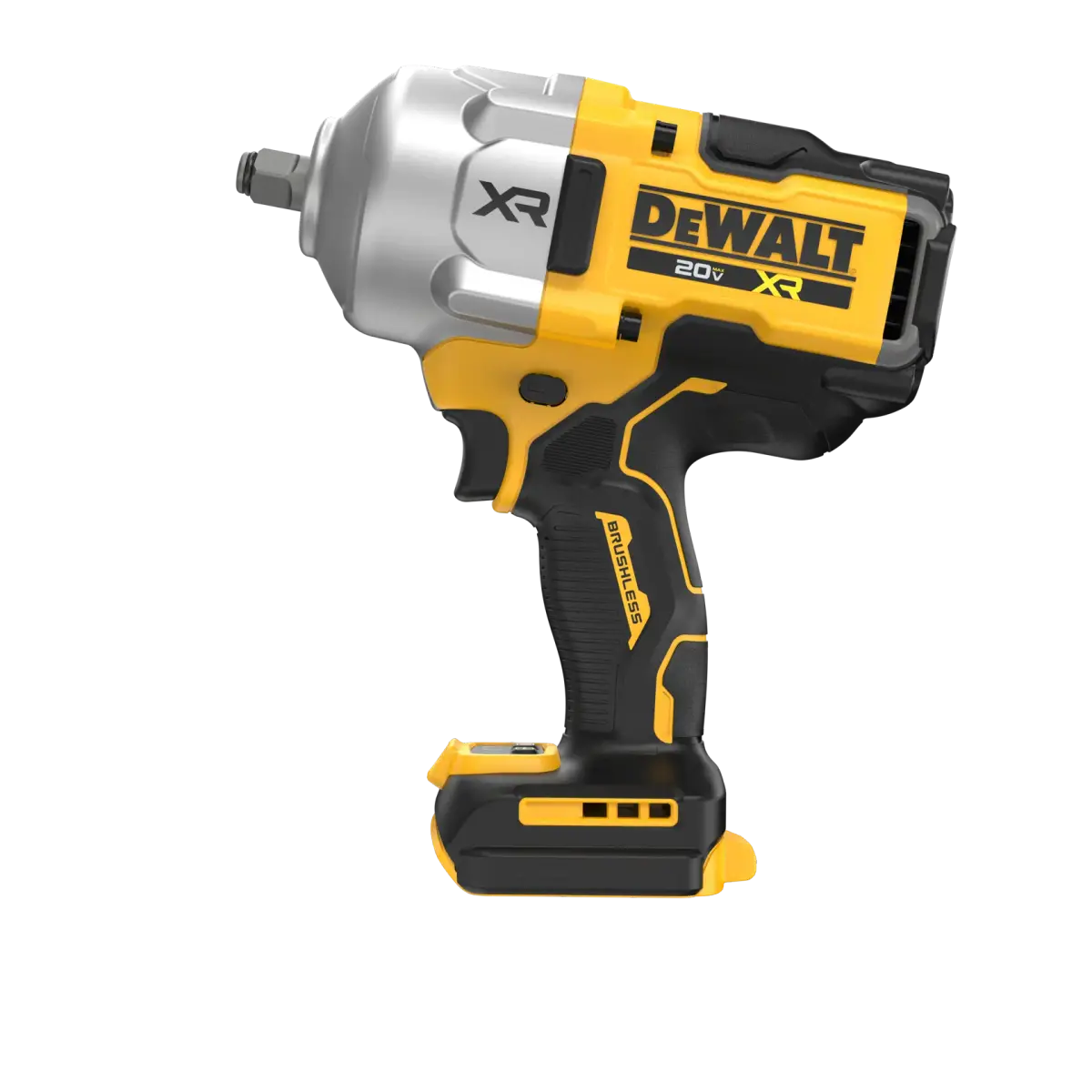
The high torque class trades that handiness for brute force. Pro Tool Reviews measured the DEWALT DCF961 at 8.4 lbs bare and nearly 8 1/2 inches long, so it is a heavier tool to hold overhead or in a tight bay.
How do the main half inch wrenches compare?
Figures below are the ratings each source publishes, not results from our own bench. Torque is in ft-lbs.
| Model | Fastening | Nut-busting or breakaway | Weight |
|---|---|---|---|
| Milwaukee 2962-20 (ToolNut) | 550 | 650 | 3.9 lb |
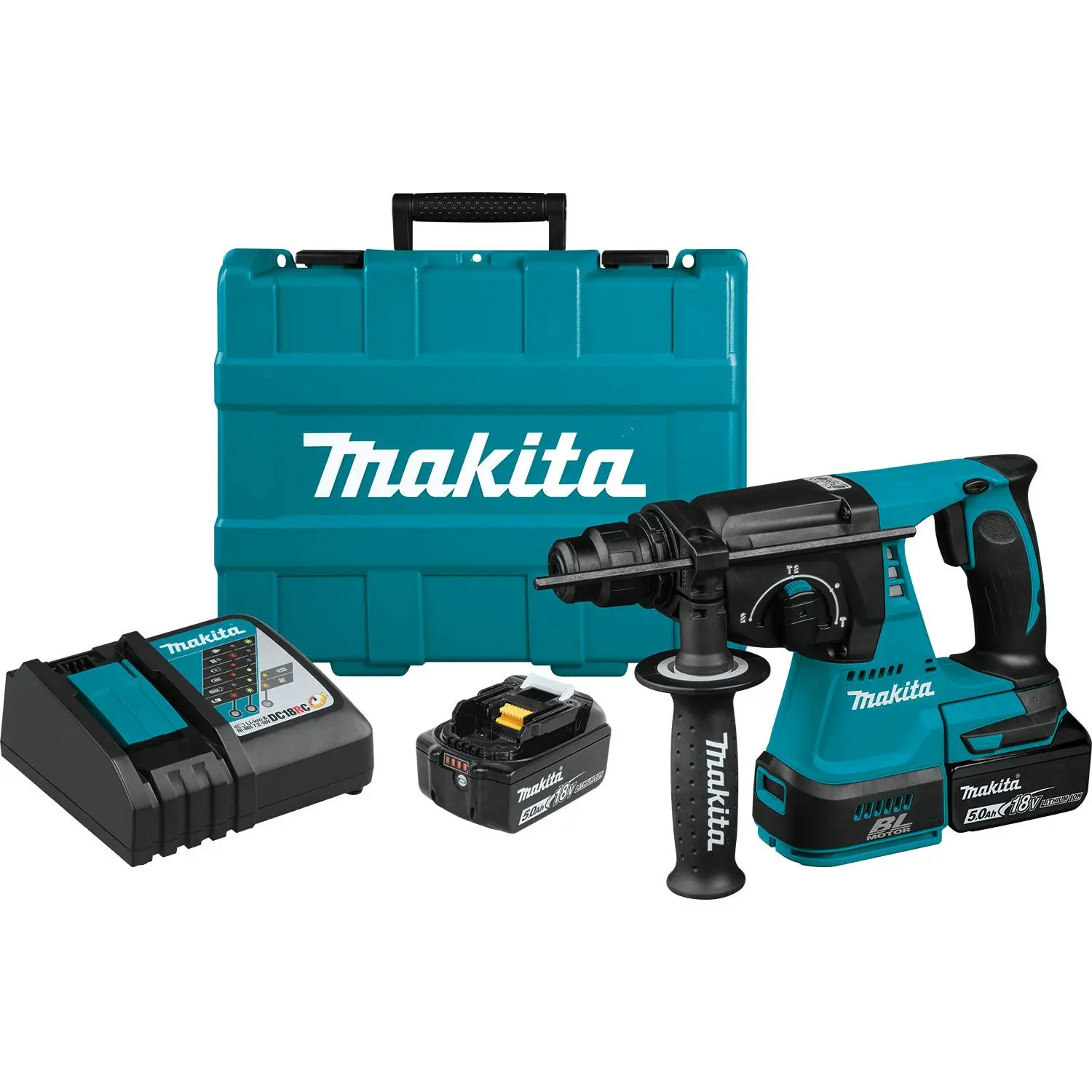
| Makita XWT08Z (ToolSource) | up to 740 | up to 1,180 | 7.65 lbs |
| Milwaukee 2967-20 (Source Atlantic) | up to 1,200 | up to 1,600 | not listed |
| DEWALT DCF961B (DEWALT) | 1,320 | 1,900 | not listed |
Source Atlantic, a Canadian dealer, lists the Milwaukee 2967-20 at 7.6 in long with 2,400 IPM. ToolSource lists the Makita at 0 to 900 RPM and 0 to 1,800 IPM.
Why do the numbers for the same tool not match?
Maker ratings and outside measurements often differ, so treat every figure as a ceiling. DEWALT says its 1,320 ft-lbs fastening figure was reached with the DCBP520 battery, which is sold separately. Pro Tool Reviews lists the DCF961 at 1200 ft-lbs fastening and 1750 ft-lbs nut-busting, and says a 5.0Ah pack is enough to reach that output.
The Makita shows the same pattern. ToolSource gives up to 1,180 ft-lbs of breakaway torque, while Pro Tool Reviews lists the XWT08 at 1080. Where sources disagree, the safer plan is to compare tools using one source for all of them.
What does it cost?
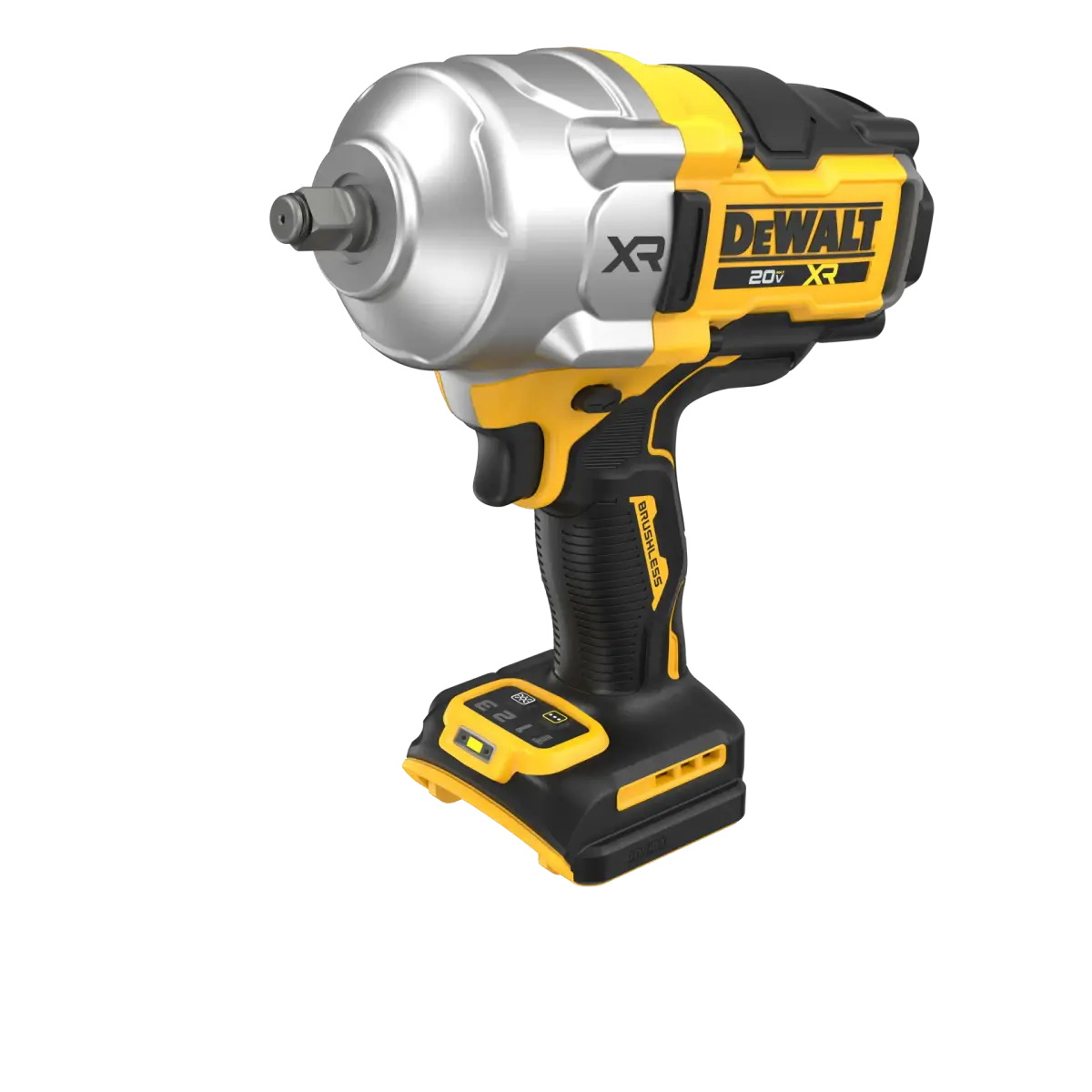
Pro Tool Reviews lists the DEWALT DCF961B at $369 as a bare tool and $449 as an auto tech kit with a 5.0Ah battery, charger and bag. ToolNut listed the Milwaukee 2962-20 at $279.00 as a bare tool. These are US outlet prices, and none of the sources we read gives a Canadian dollar price, so check dewalt.ca, milwaukeetool.ca or a Canadian dealer before you decide. Prices change.
Who it suits
- Professional mechanic or tire shop: the high torque class (DEWALT DCF961B, Milwaukee 2967-20) is where seized suspension and axle nuts get freed. Check that your batteries can feed it, since DEWALT ties its top figure to a specific pack.
- Serious DIYer: the Makita XWT08Z sits in the middle on paper, with up to 740 ft-lbs fastening. It is a fair match for wheel and suspension work, but confirm the breakaway figure you need.
- First time buyer: the Milwaukee 2962-20 is the lightest option here at 3.9 lb. Its 650 ft-lbs of nut-busting torque will not match the big wrenches on rusted bolts.
- Homeowner on a budget: buy the bare tool only if you already own batteries. The DEWALT kit listing shows battery and charger add real cost.
- Someone already on a platform: staying on your battery system usually beats chasing a few ft-lbs. Check that your pack size matches what the maker used for its rating.
- Crew or fleet buyer: choose one platform and one anvil style, and read the warranty. DEWALT lists a 3-year limited warranty on the DCF961B.
What should you check before buying?
Open the maker’s page for the exact model and note which battery produced the headline torque. Then read the Pro Tool Reviews comparison and your Canadian dealer’s listing side by side before you order.