A hammer drill and an SDS-Plus rotary hammer can both hammer into masonry, but they are built for different jobs, and the spec pages from DEWALT, Milwaukee and Makita show the gap clearly. This guide uses the makers’ own product pages, plus a retailer listing for one Milwaukee model. Nothing here comes from testing by Torque Digest.
Two kinds of hammering
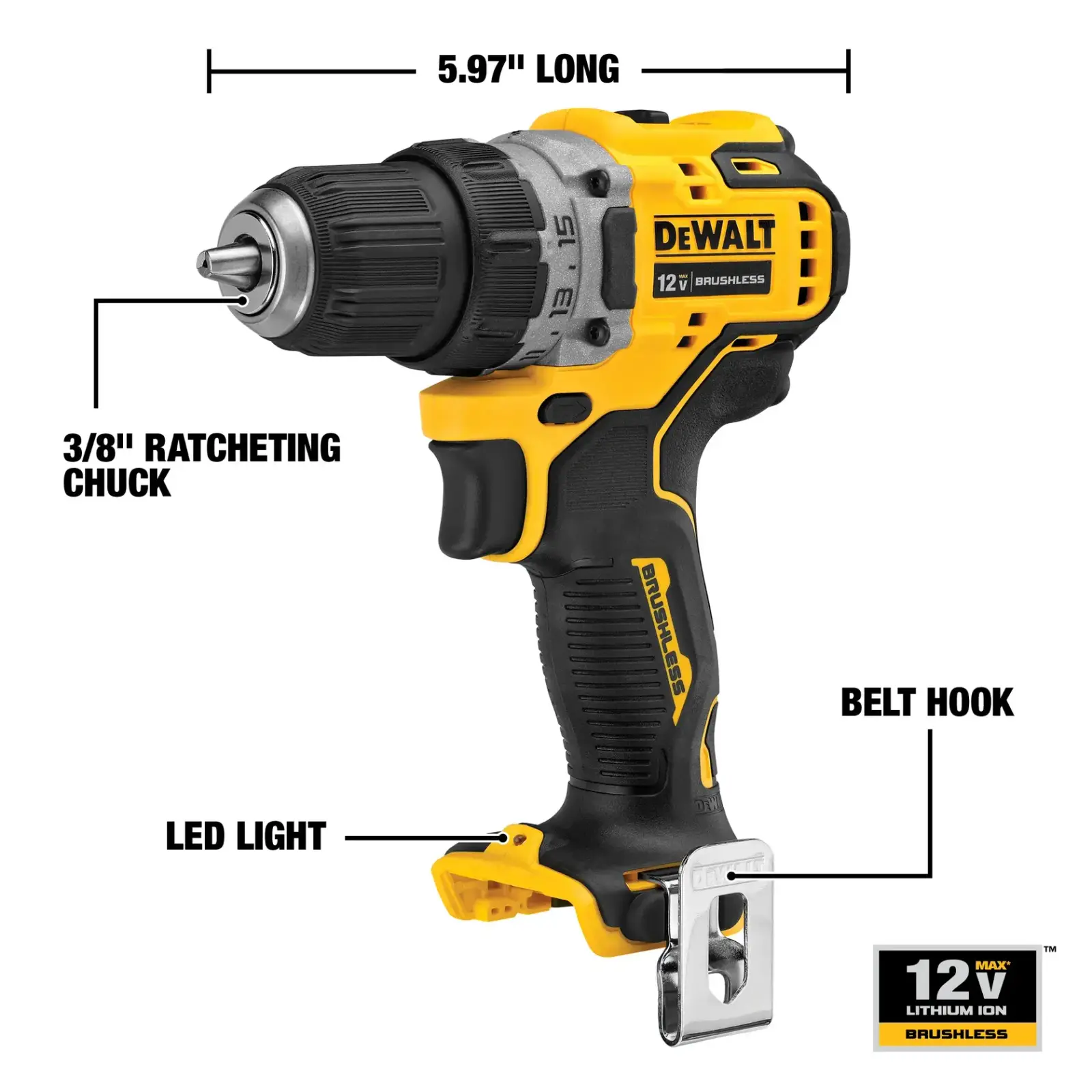
A hammer drill is an ordinary chuck drill with a mechanism that adds a rapid, light tapping to the spin. The Milwaukee M18 FUEL 1/2 inch hammer drill/driver (2904-20) is a typical example. A spec listing from The Power Tool Store gives it 0 to 33,000 blows per minute, 1,400 in-lbs of peak torque, a 1/2 inch all-metal ratcheting chuck, a 6.9 inch body and 3.3 lbs as a bare tool.
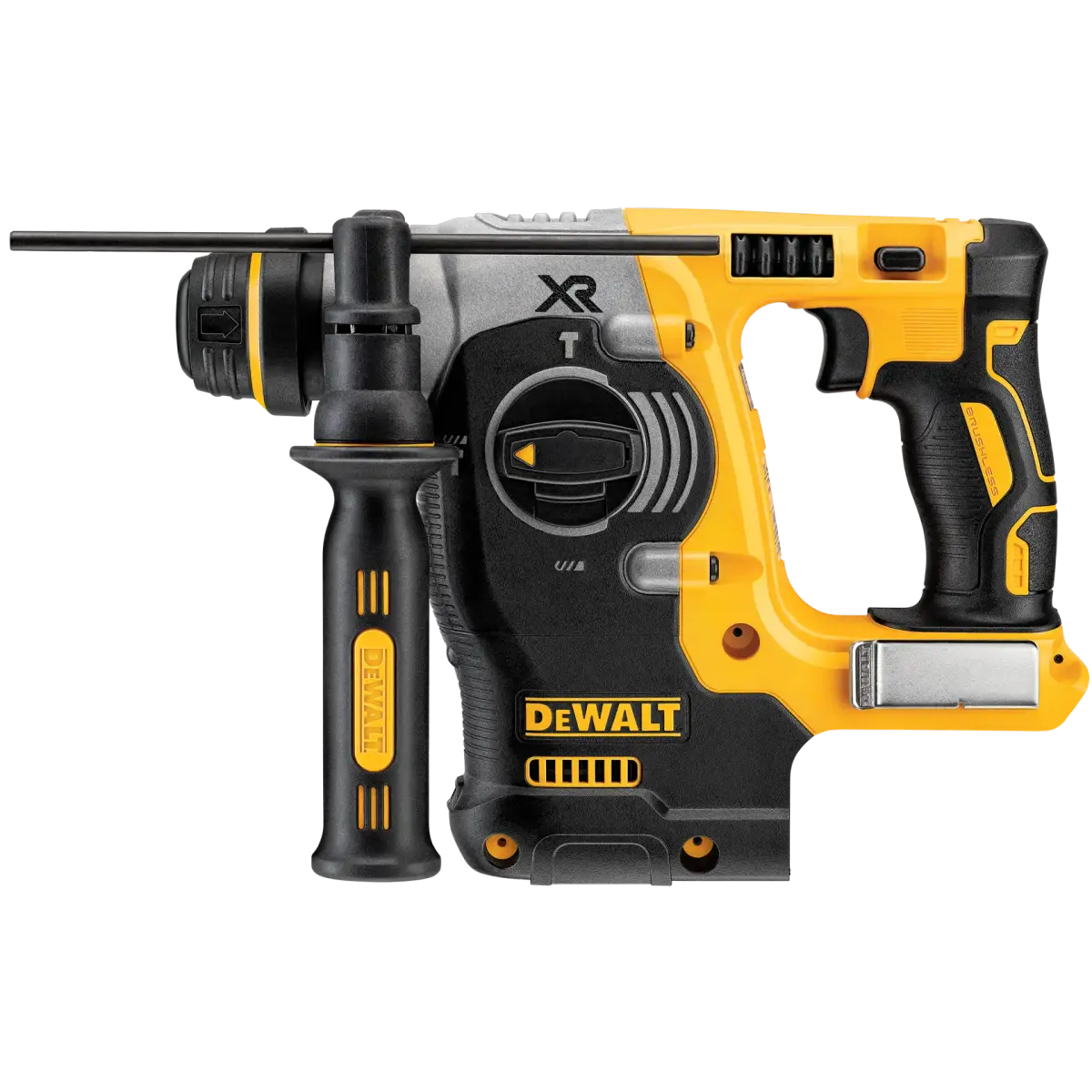
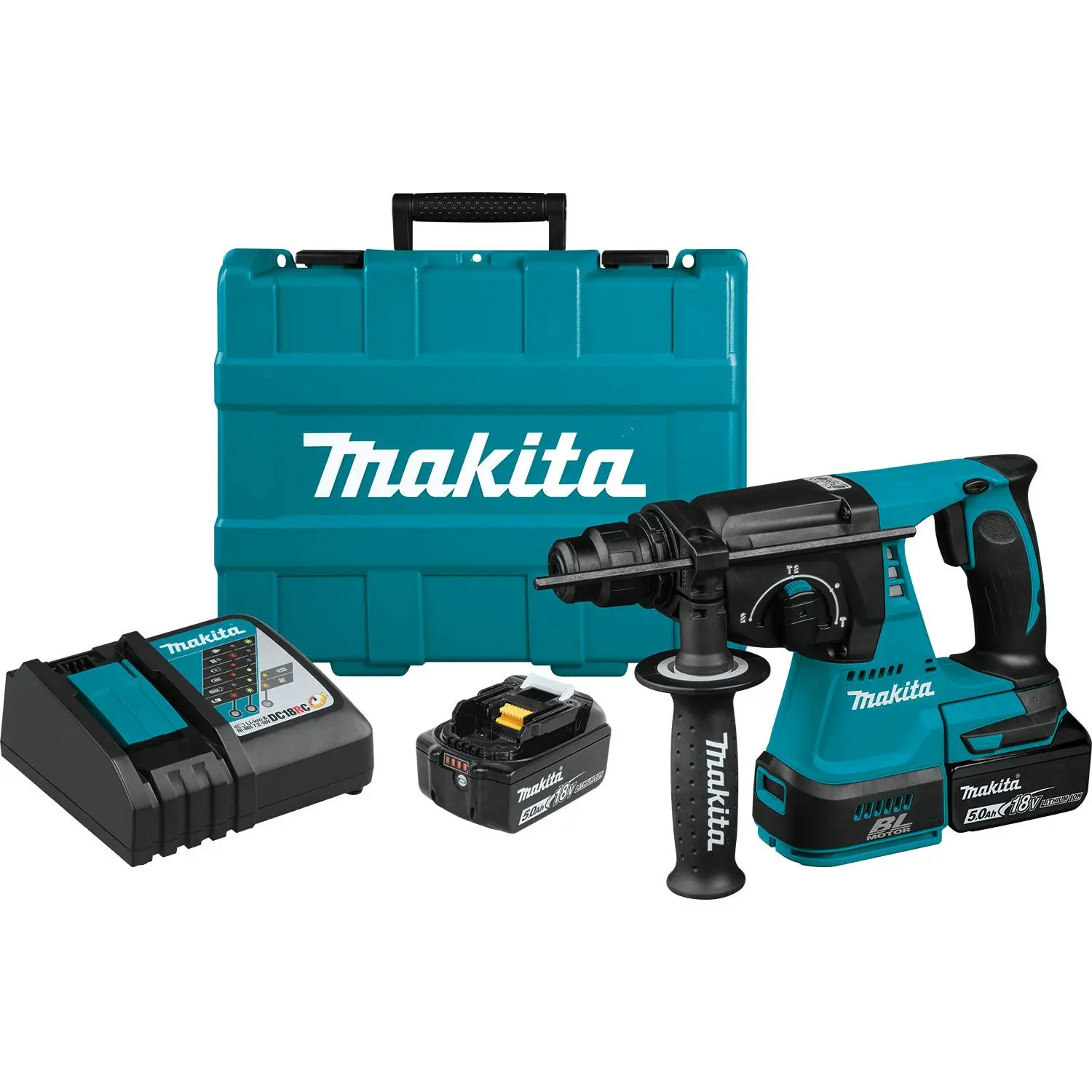
An SDS-Plus rotary hammer works differently. The bit slots into the chuck instead of being clamped, and the tool strikes it with far more energy at a much lower rate. Makita’s page for the XRH01T kit lists 0 to 4,700 blows per minute and 1.7 ft.lbs. (2.4 J) of impact energy. DEWALT’s DCH273B page gives 2.1 joules, and Milwaukee’s 2915-20 page gives 3.6 ft-lbs at 4,600 blows per minute.
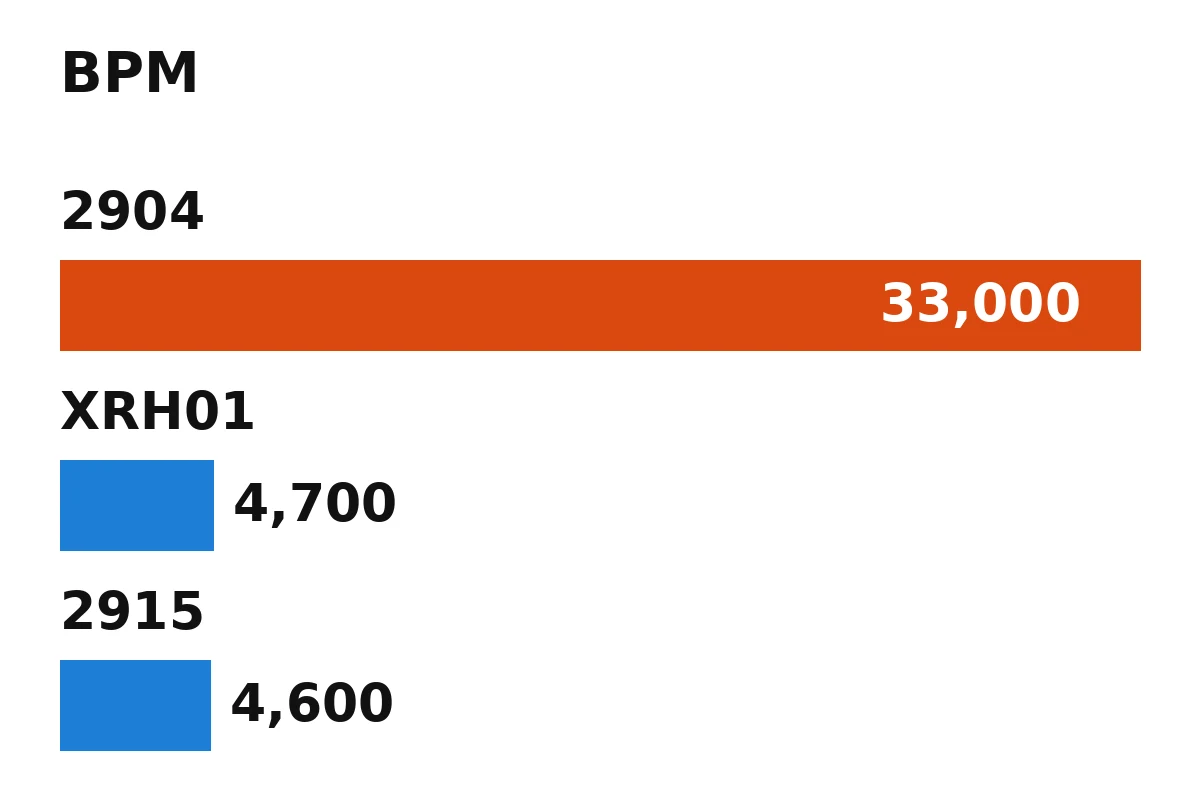
The hammer drill is listed far above the two rotary hammers for blows per minute, but each rotary hammer blow carries much more energy. Figures come from the makers’ pages and the retailer listing named above.
What the numbers say
- Blow rate: the hammer drill is listed at 33,000 BPM against 4,700 and 4,600 for the rotary hammers. Many light taps against fewer heavy ones.
- Impact energy: Makita, DEWALT and Milwaukee all publish a figure for their rotary hammers. The hammer drill listing gives none.
- Speed: Makita lists up to 950 RPM, DEWALT 1,100 RPM and Milwaukee 800 RPM for the 2915-20, while the hammer drill listing runs to 2,100 RPM.
- Size: Makita lists the XRH01T at 7.2 lbs with a battery and 12-7/8 inches long. The hammer drill listing shows 3.3 lbs bare and 6.9 inches.
- Capacity: Makita rates concrete drilling up to 1 inch, with an optimum range of 3/16 to 1/2 inch. Milwaukee says the 2915-20 can drill up to 50 holes of 5/8 inch by 3 inches on one charge with an M18 HIGH OUTPUT XC6.0 battery, which is a maker claim, not a measured result.
- Modes: Makita lists rotation only, hammering with rotation, and hammer only. DEWALT lists a dial for drill, hammer drill or chip.
Who it suits
- Homeowner with occasional anchors: a hammer drill doubles as an everyday drill/driver and handles light masonry work. The Milwaukee listing gives no masonry capacity, so check bit size and the chuck before you commit.
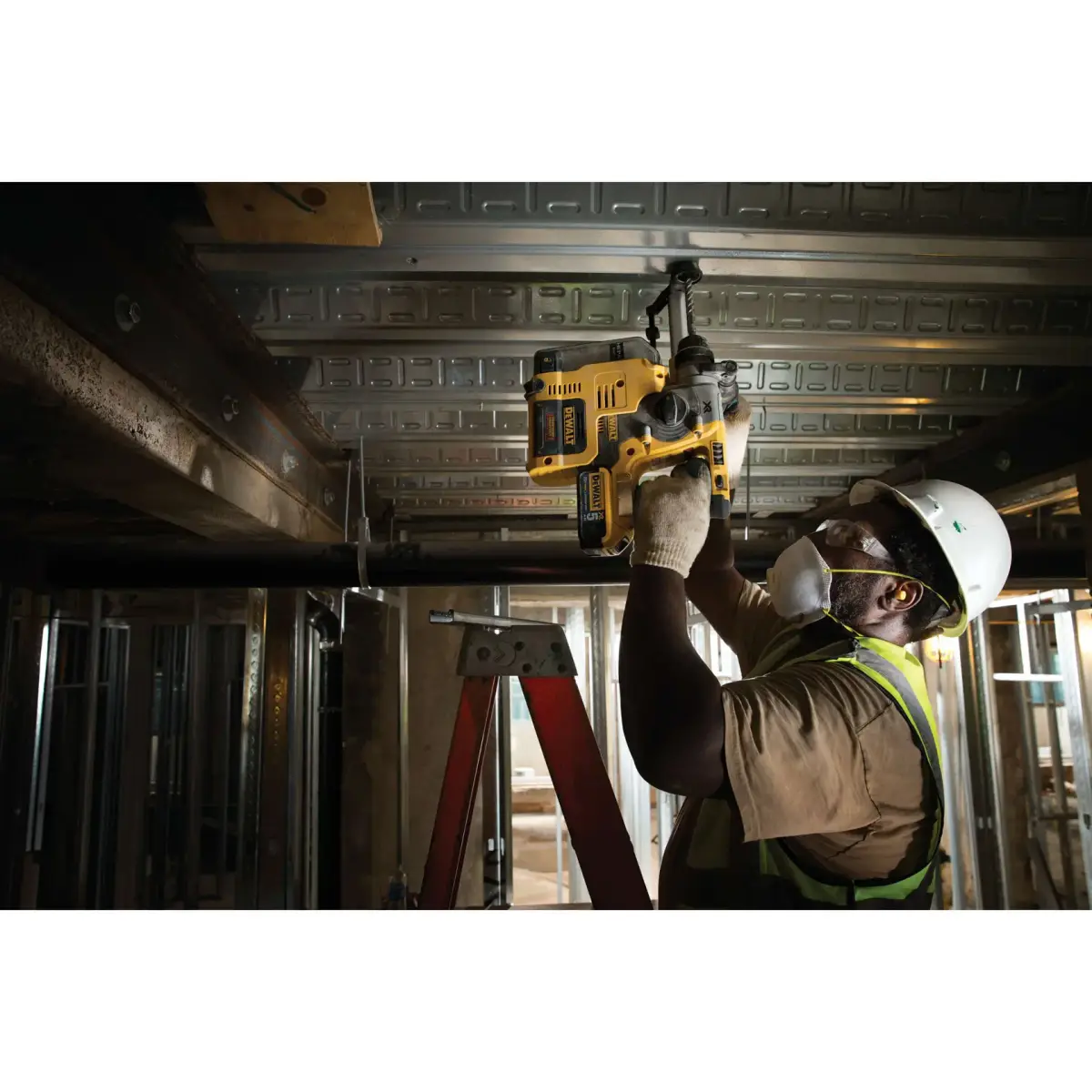
- Electrician or installer drilling many holes in concrete: a rotary hammer is the tool the spec pages are written around. Dust matters here: Makita lists the DX01 HEPA attachment as sold separately, and DEWALT says its DCH273B is OSHA Table 1 compliant when paired with the DWH303DH onboard extractor.
- Serious DIYer renovating a basement or garage: a rotary hammer gives the energy figures, but weight rises. Compare 7.2 lbs against 3.3 lbs and decide how often you will hold it overhead.
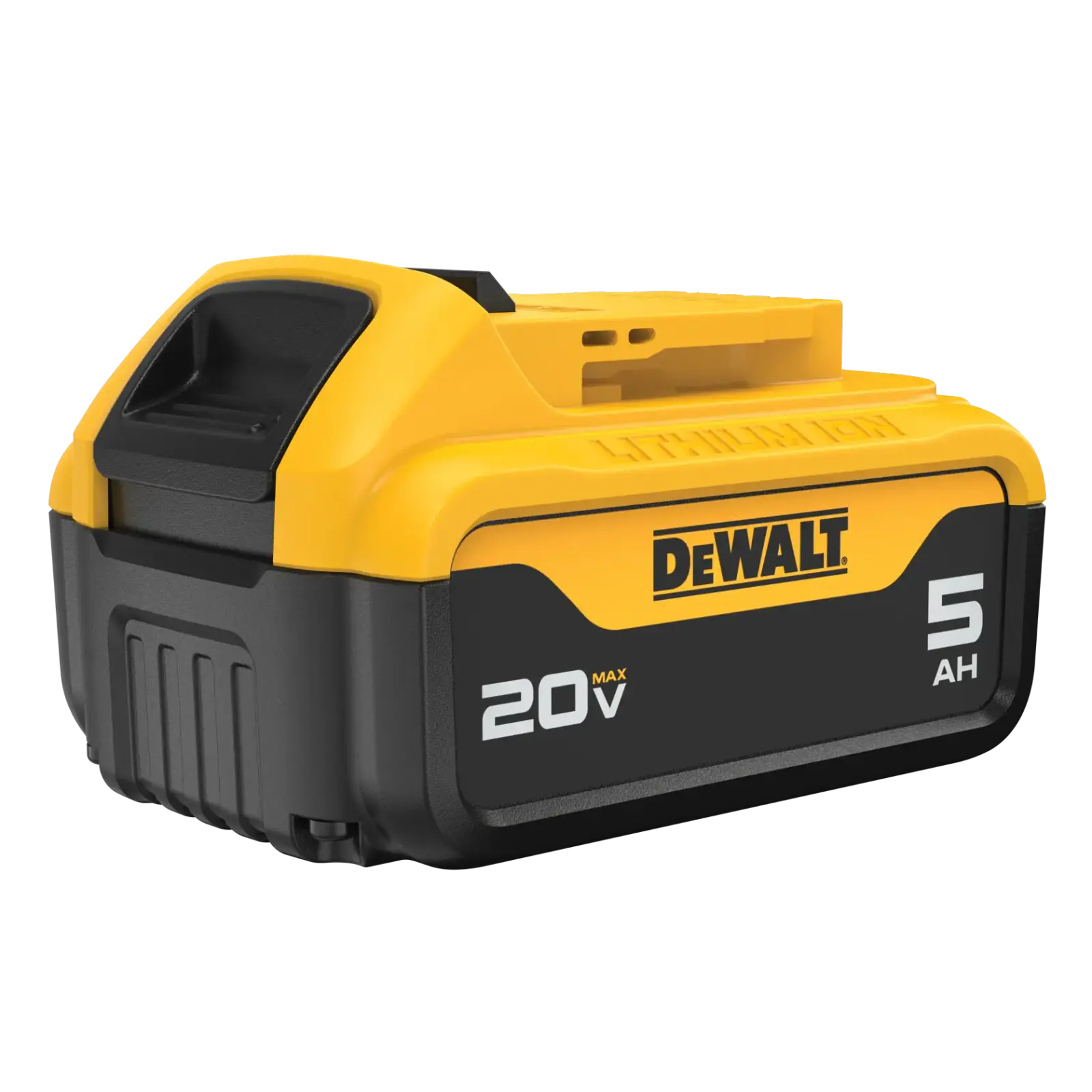
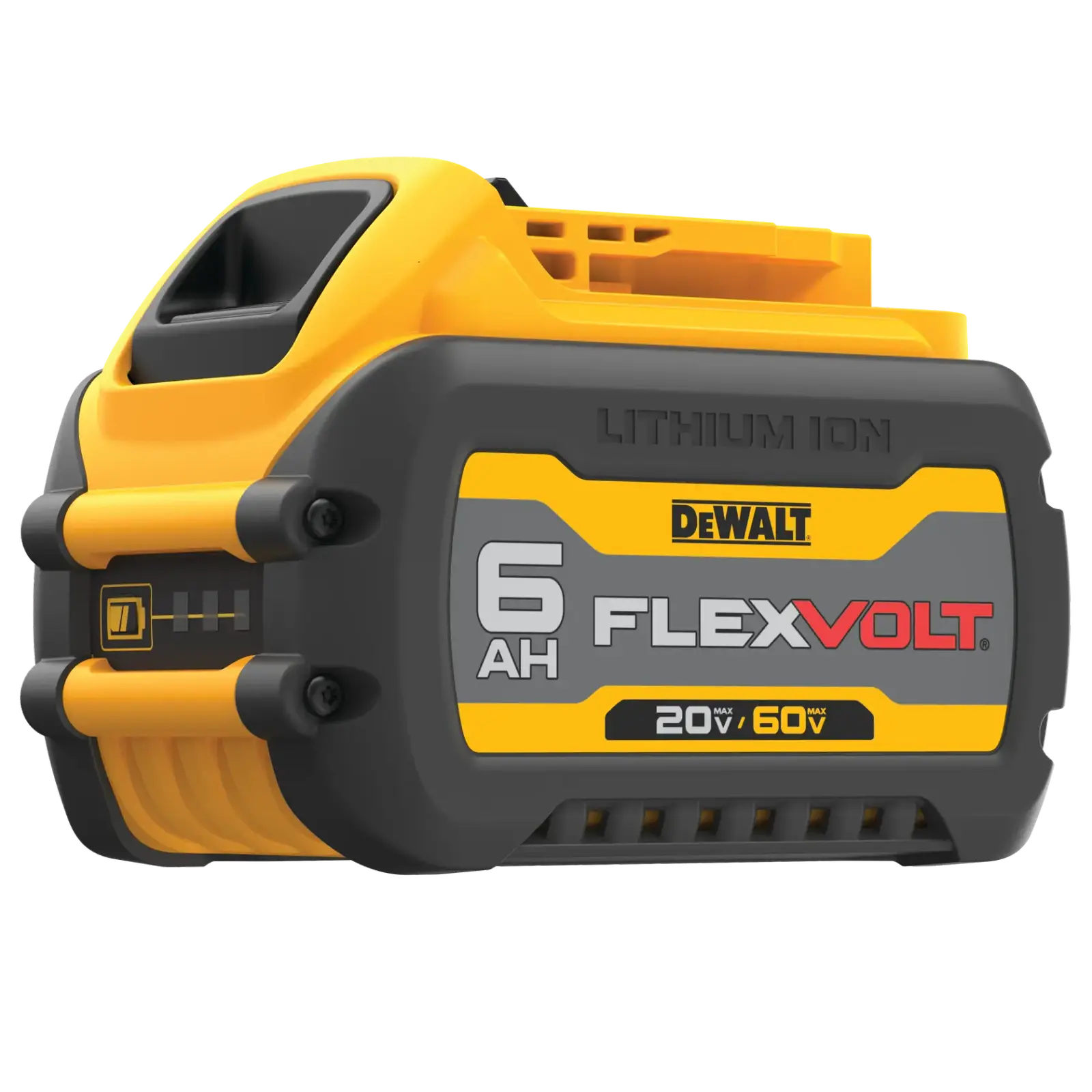
- Crew or fleet buyer: staying on one battery platform (DEWALT 20V MAX XR, Milwaukee M18 or Makita 18V LXT) can matter more than a small spec gap, because batteries are shared across the crew.
- First time buyer on a budget: one hammer drill covers drilling and driving, while a rotary hammer is a second, specialised tool.
Before you buy
The pages used here are US pages and do not state prices, so check current Canadian and US prices at your retailer. Confirm whether you are buying a bare tool or a kit: DEWALT’s page says the DCH273B includes no battery or charger, while the Makita XRH01T kit includes two 5.0Ah batteries, a charger and a case. Both DEWALT and Makita list a 3-year limited warranty.