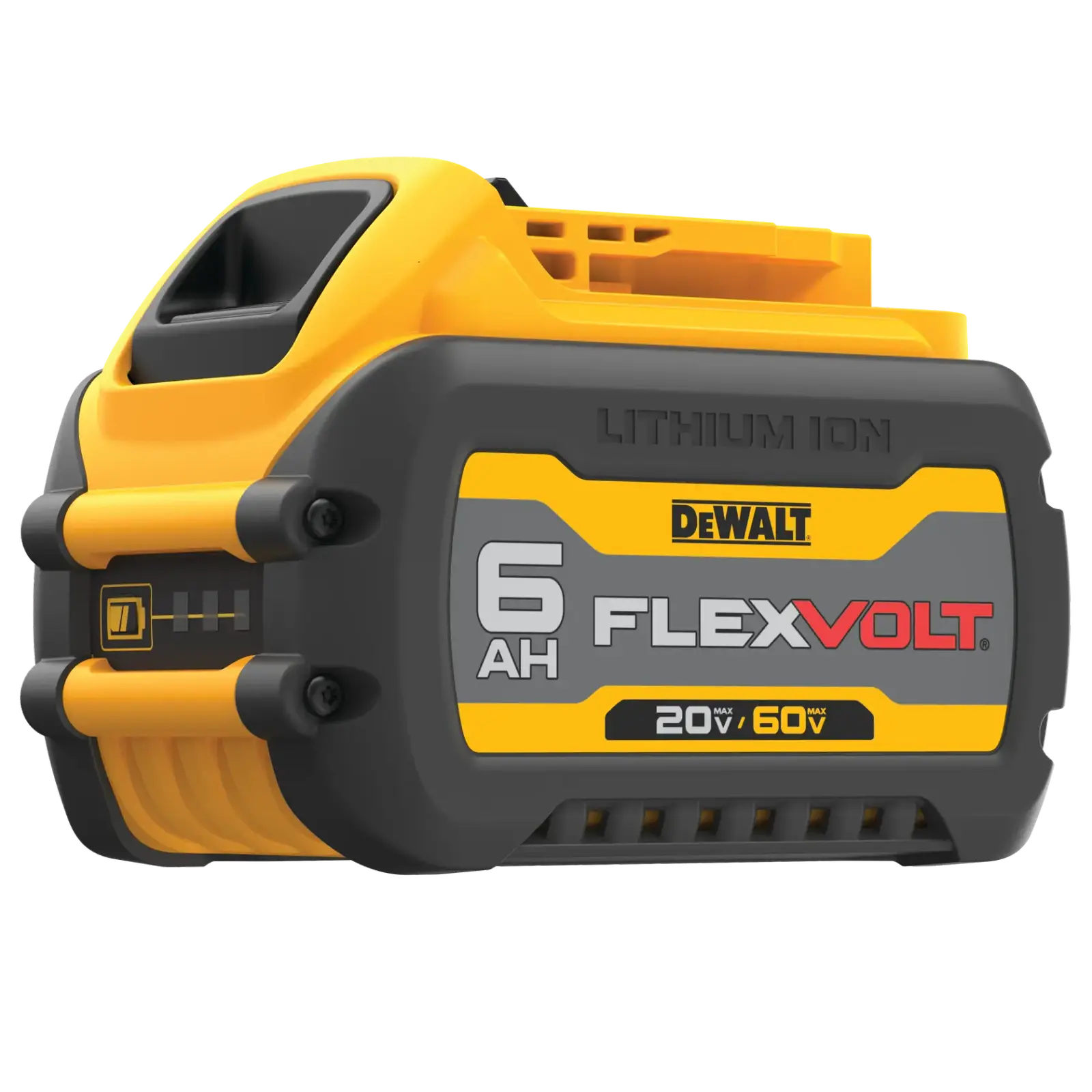
When tool brands label a battery 18V or 20V MAX, buyers often assume one is stronger. The sources agree on the key point: the two numbers describe the same pack in two ways. What really decides your choice is the platform you commit to, because batteries rarely cross brands. This guide pulls together DEWALT, Milwaukee, Pro Tool Reviews and ToolGuyd.
What 18V and 20V MAX actually mean
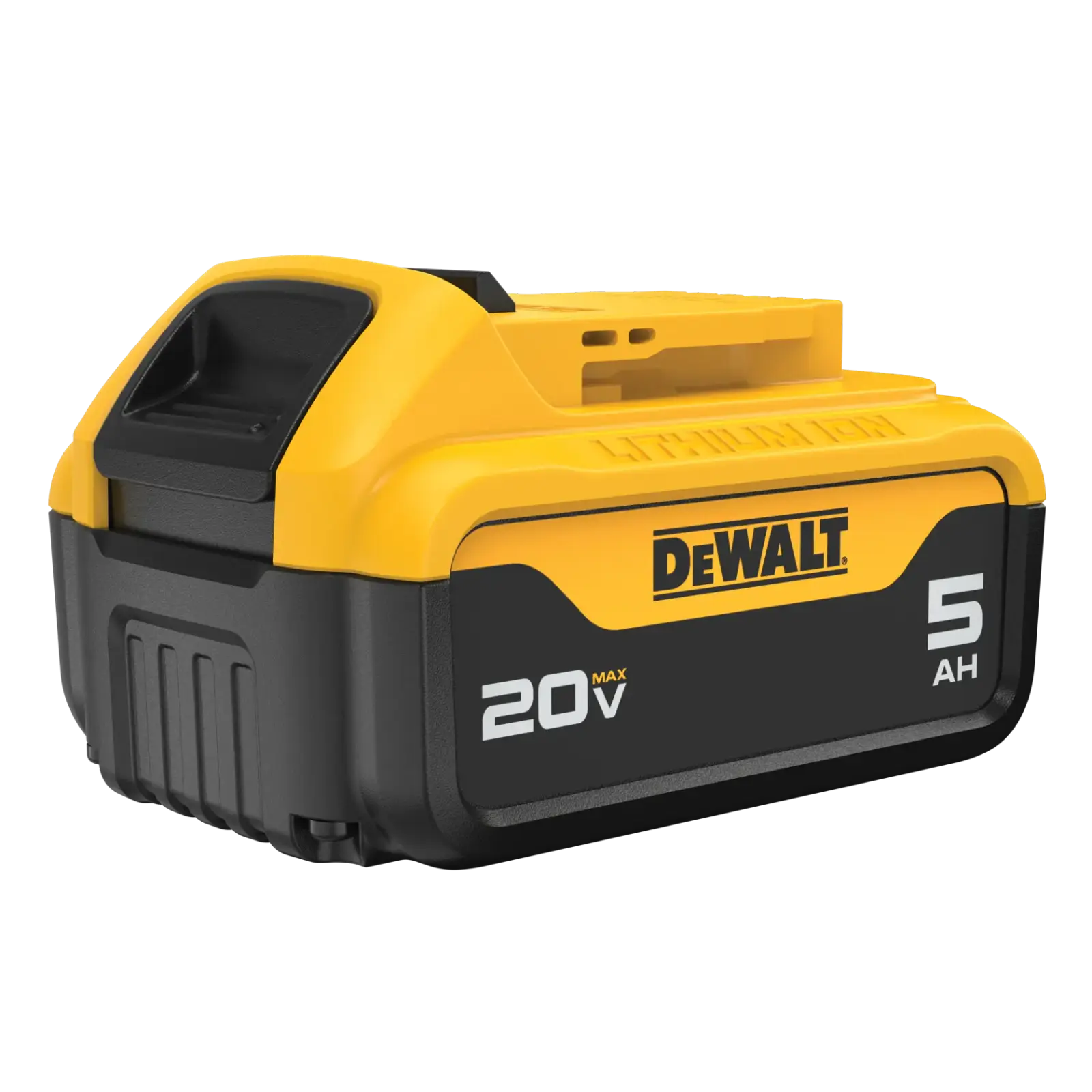
DEWALT’s own fine print says the maximum initial battery voltage, measured without a workload, is 20 volts, and the nominal voltage is 18. Pro Tool Reviews explains the arithmetic: a lithium-ion cell has a nominal voltage of 3.6 volts and a maximum of just over 4 volts, and these packs wire 5 cells in series. Five cells at 3.6 volts gives 18 volts, and five cells at 4 volts gives 20.
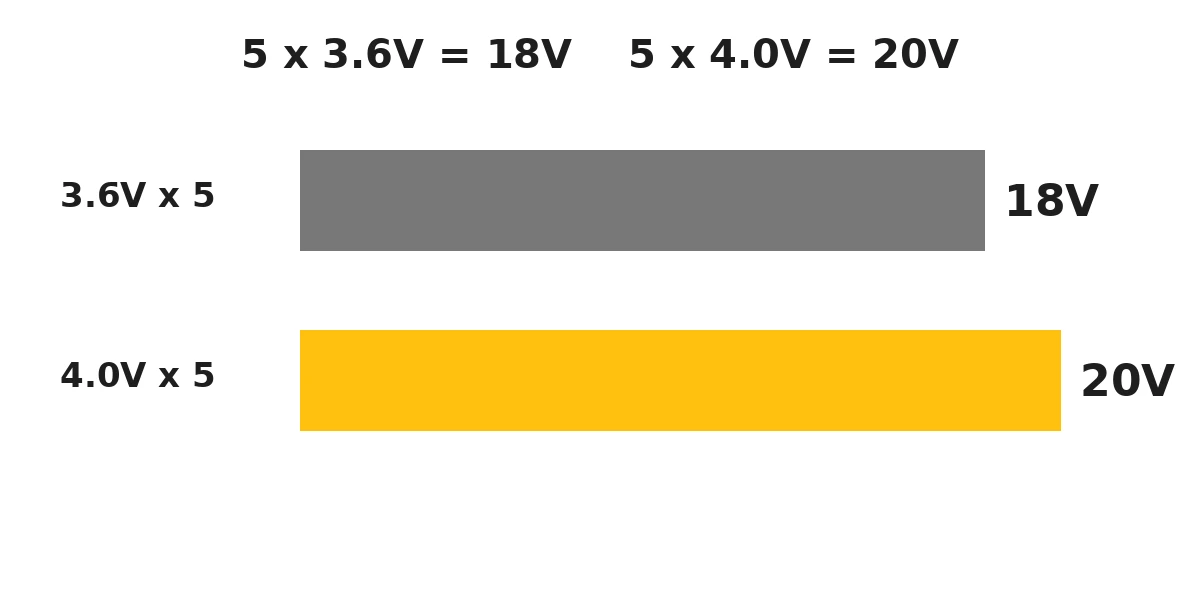
Five cells in series: 3.6V each gives 18V nominal, about 4.0V each gives 20V when fully charged and unloaded.
ToolGuyd reaches the same conclusion and adds that 20V MAX is a North American label, while DEWALT tools sold elsewhere carry the 18V name. Pro Tool Reviews argues that a bigger number simply looks more powerful, and says power differences come from the motor, electronics and cells, not the label.
Where the sources differ
Pro Tool Reviews calls the footnote approach a marketing choice but not misleading if you read it. ToolGuyd says the 20V MAX equals 18V nominal point is not made obvious enough by some retailers and product pages. Neither source reports a measured power difference between the labels.
FLEXVOLT is a different question
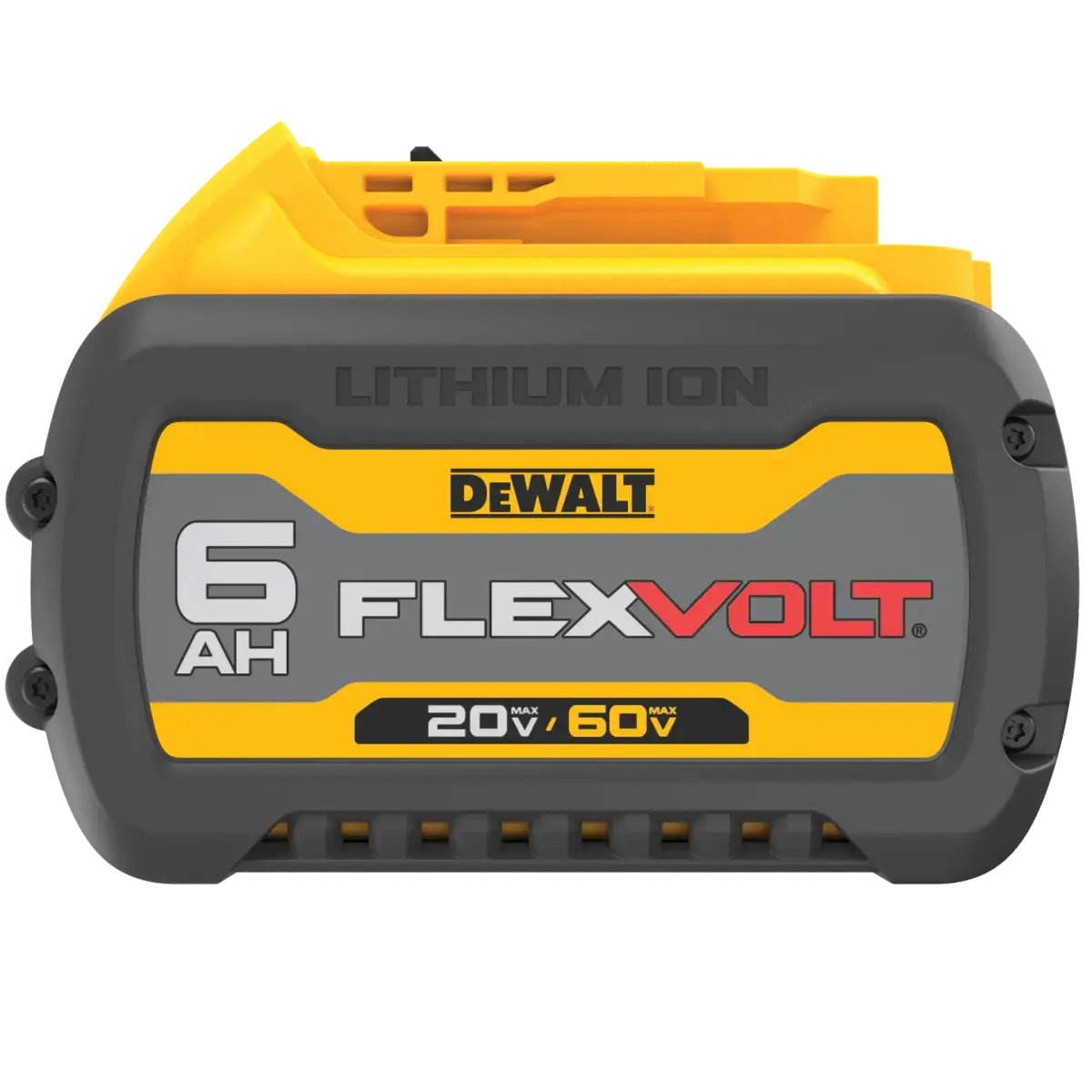
DEWALT says its FLEXVOLT battery powers 20V MAX, 60V MAX and 120V MAX tools, and the DEWALT Canada page says the pack switches voltage automatically when you change tools. ToolGuyd adds a rule that matters at the shelf: FLEXVOLT 60V MAX tools need a FLEXVOLT battery, while standard 20V MAX batteries will not run them.
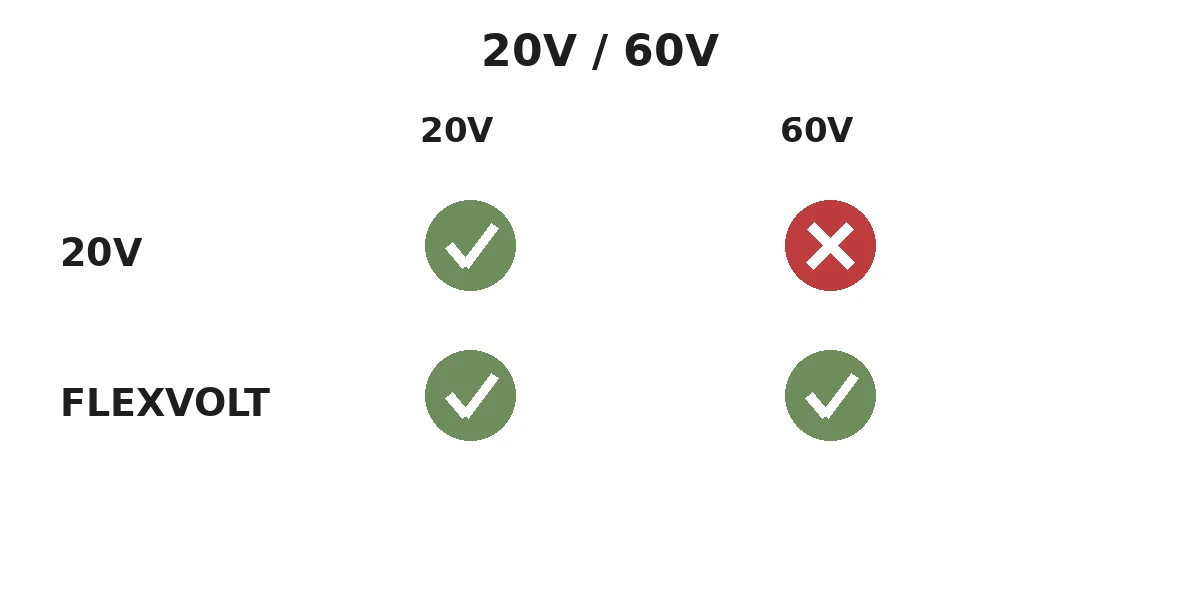
Compatibility: a 20V pack fits 20V tools; a FLEXVOLT pack fits 20V and 60V tools.
ToolGuyd also notes that the amp hour rating printed on a FLEXVOLT pack is calculated at 20V, and drops to one third in a 60V tool.
How to choose a platform
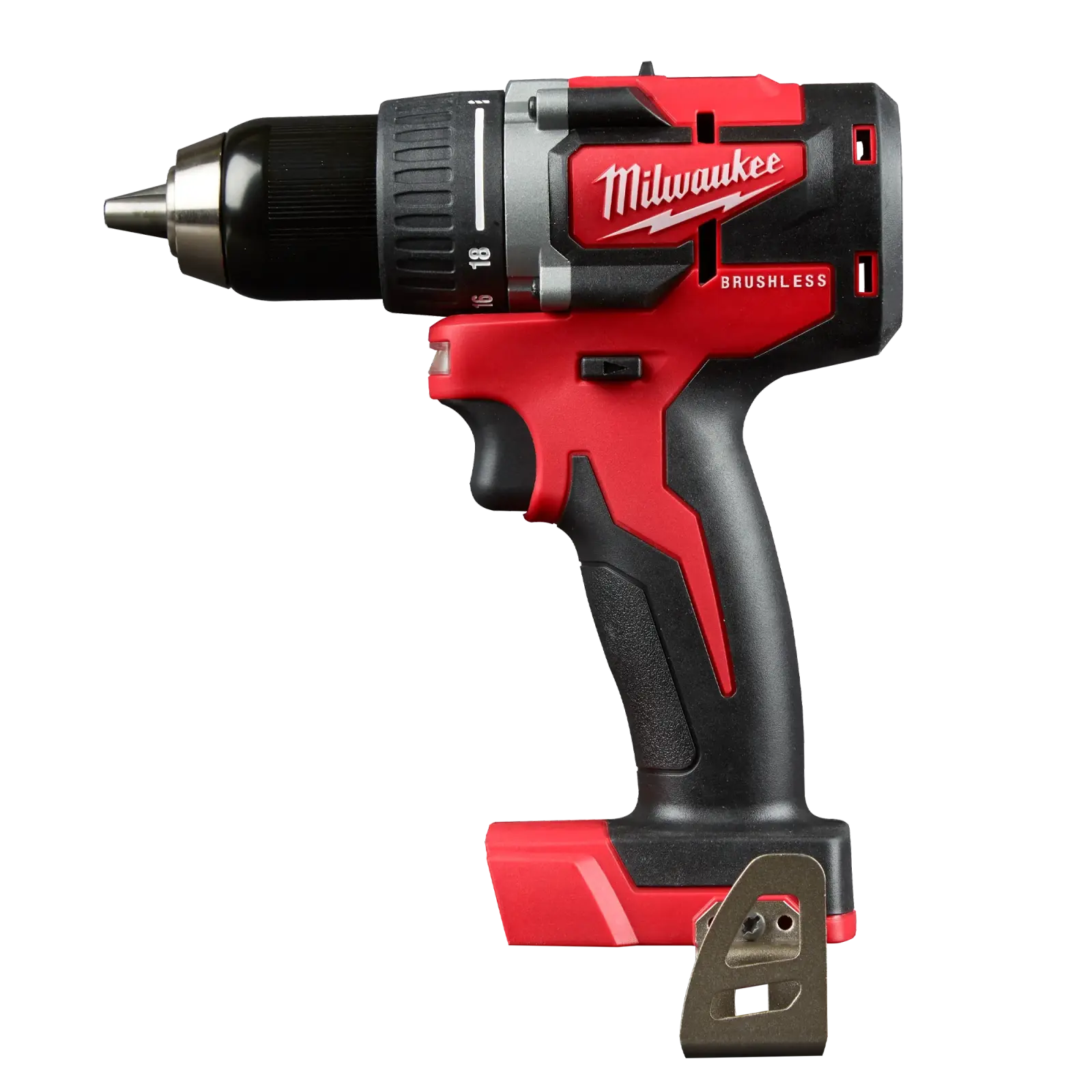
Milwaukee’s M18 page says the system covers more than 40 M18 tools on a single battery type, and DEWALT’s page lists 250+ products for 20V MAX. These are each maker’s own counts and they measure different things, so treat them as a sign of range, not a score.
Buy for the tools you will need in three years. Check that the maker sells the specific tool you want, such as a framing nailer or a router, before you pick the platform.
Who it suits
- Professional tradesperson: pick the platform your supplier stocks and your crew already carries. Check battery capacity and charger speed, not the voltage label.
- Serious DIYer: FLEXVOLT only makes sense if you plan 60V MAX tools. Otherwise a standard 20V MAX or M18 kit is simpler.
- First time buyer: buy a kit with two batteries and a charger from one brand, and look at the range of tools before the label.
- Homeowner on a budget: the cheapest tool is not cheaper if you must buy a new battery for the next one.
- Someone already on a platform: stay put unless a tool you need is missing from your brand.
- Crew or fleet buyer: standardize on one battery type so every charger and pack works on every job.