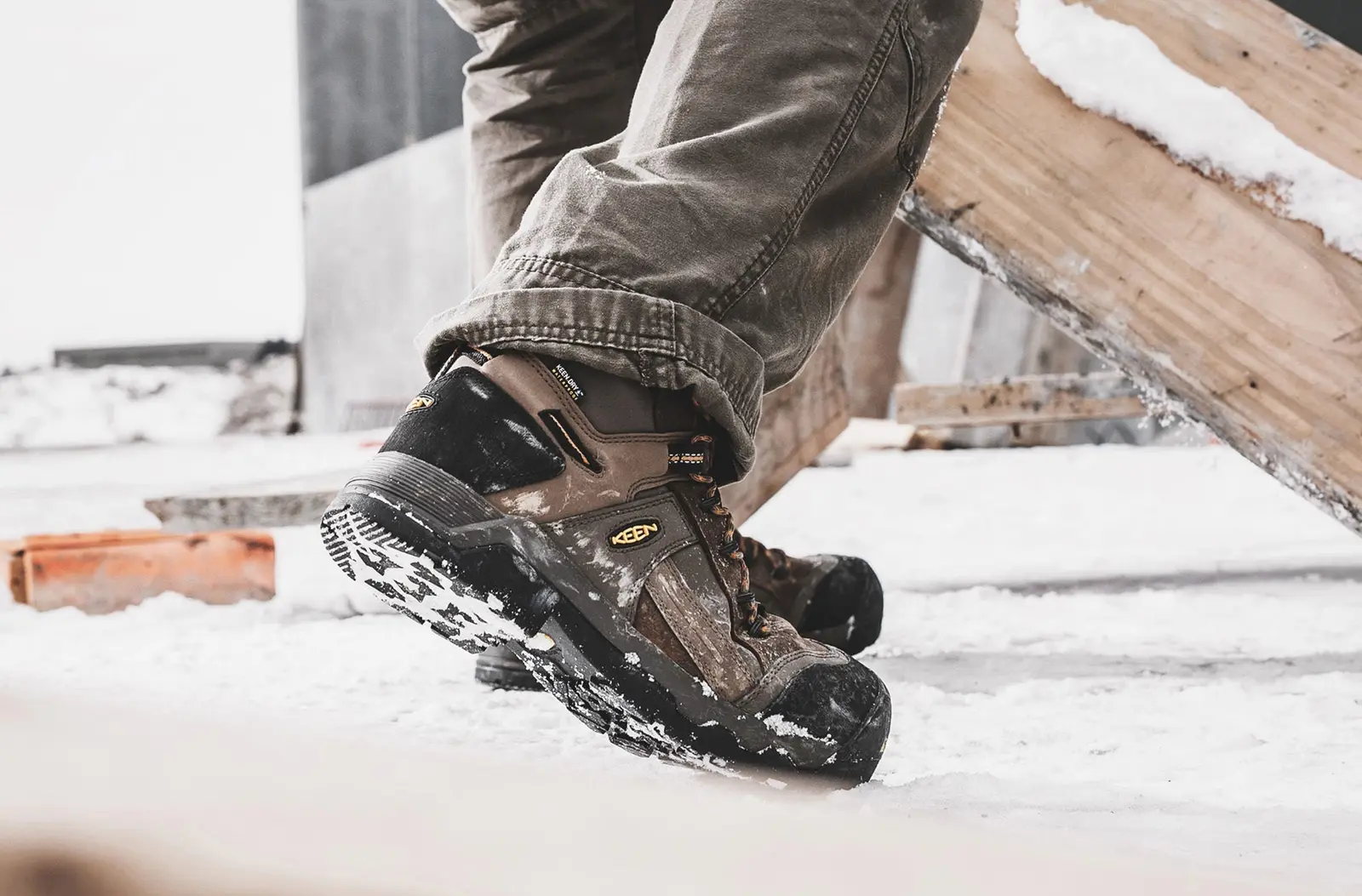
Insulation is measured in grams, and for most winter job sites in Canada the useful range runs from 200g for transitional weather to 600g for the coldest days. KEEN Canada’s own guide to its insulated KEEN Utility boots sorts the line that way, and the Timberland PRO Boondock listing goes further, at 1000g.
How much insulation do I need for winter work?
Match the grams to how much you move. KEEN Canada puts its 600g KEEN.WARM boots (Camden 8 inch, Independence 8 inch, Dover 8 inch) at the coldest temperatures and snowy climates, and its 400g boots (Independence 6 inch, Davenport 6 inch) at cooler temperatures with high activity. The CSA Davenport 8 inch, at 200g, is aimed at transitional seasons and mild winters.
WC Safety, a Canadian safety footwear retailer, frames it by activity too, but with a different slant. It says 200g suits active work in cool to cold conditions because a moving foot makes its own heat, 400g suits stationary or low activity work in real cold, and 600g and above is for deep cold with little movement.
Which insulated boots carry the CSA mark?
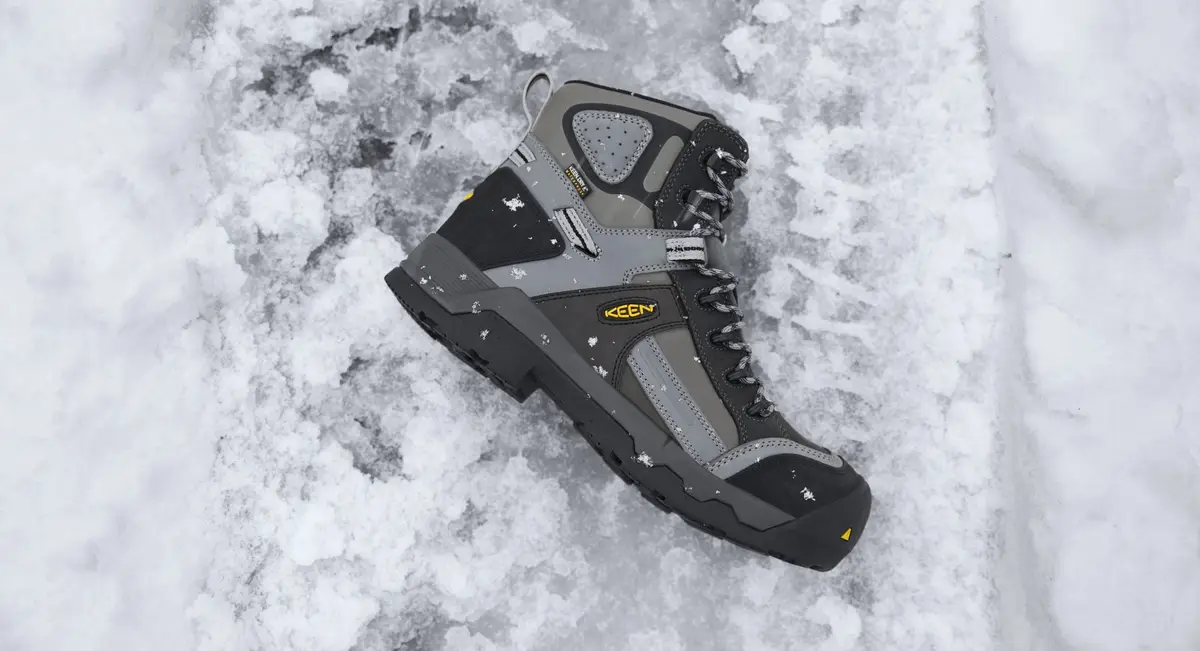
On KEEN Canada’s insulated collection page, the CSA Philadelphia carbon fibre toe boot (8 inch) and the CSA Davenport composite toe boot (6 inch) are listed as CSA models. The Camden 8 inch is also sold in a CSA version, according to the KEEN guide. The page says every men’s insulated work boot in the collection is 100% waterproof with a KEEN.DRY membrane.
Timberland PRO’s Boondock 8 inch 1000g insulated composite toe boot is listed by Canadian Footwear as CSA Green Triangle and ESR certified, with a composite safety toe, a waterproof membrane and a non-metallic puncture resistant plate. Not every winter-looking boot is insulated: MEC lists the Blundstone CSA Green Patch 168 steel toe boot as not waterproof, and its page does not mention insulation.
Do the sources agree on the Davenport?
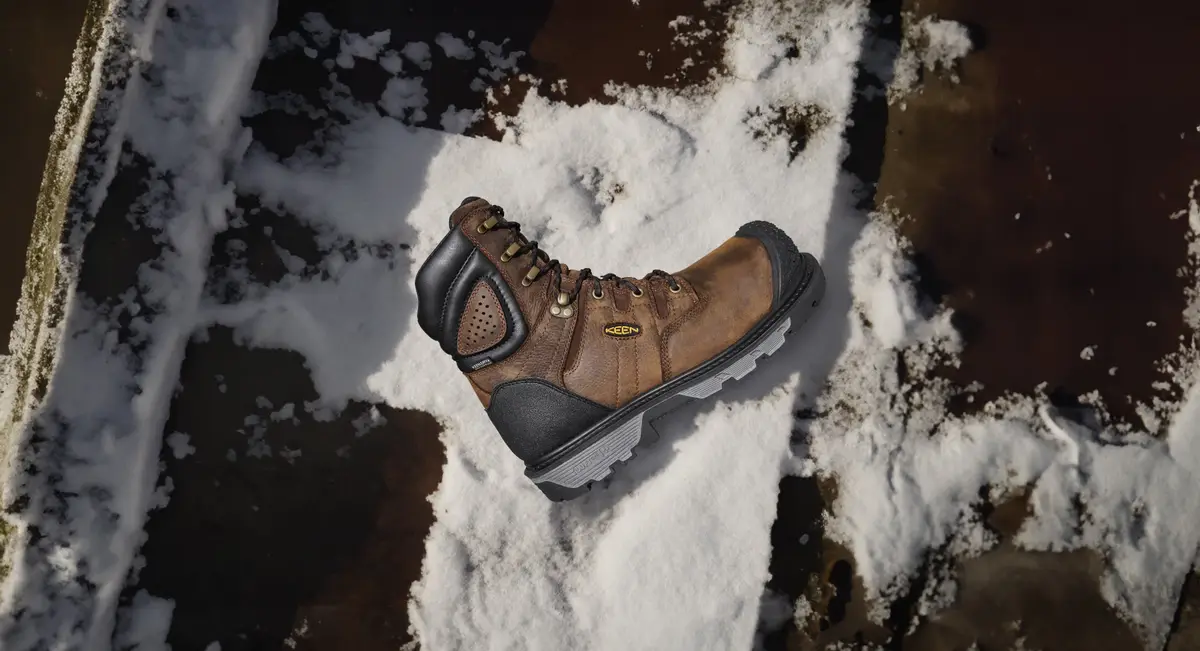
Not entirely. The KEEN Canada guide and WC Safety both give the Davenport 6 inch 400g of insulation. A KEEN Utility product write-up in Canadian Safety Magazine describes a Davenport at 200g, and the KEEN guide itself lists the CSA Davenport 8 inch at 200g. Insulation can differ between the 6 inch and 8 inch versions and between the CSA and standard builds, so read the spec line of the exact pair you are buying.
Who it suits
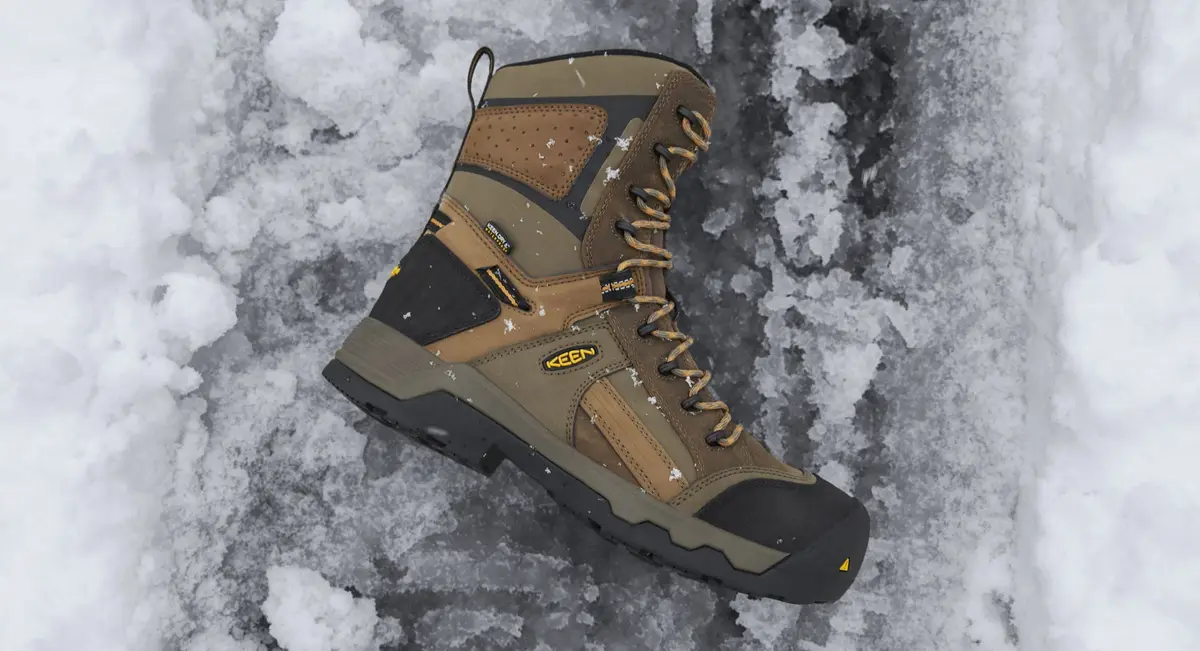
- Roofers, framers and others who keep moving all day: 200g or 400g, then check that the boot is rated for your site’s CSA requirements.
- Concrete, inspection and equipment work with long stretches standing still: 600g or more, plus warm socks, because both KEEN and WC Safety tie heavier insulation to colder, slower work.
- First time buyers and homeowners on a budget: a non-insulated CSA boot with warm socks can be enough for mild days, but check waterproofing, since the Blundstone example above is not waterproof.
- Crew buyers: confirm the green triangle patch and the toe type on the exact model, because site rules name the CSA mark, not the brand.
KEEN Canada and Timberland PRO do not publish a temperature rating in the pages used here, so treat the grams as a guide, not a guarantee. Before you order, open the maker’s Canadian product page, find the insulation figure and the CSA marking, and compare it with your employer’s footwear policy.